
_cropped.jpg)

Connecting to WiFi is now an everyday necessity, but sharing passwords can often be frustrating and time-consuming. From typing long passwords to manual sharing, mistakes are common, and convenience is lost. Using a WiFi QR code solves this problem by allowing devices to connect instantly. This guide explains everything you need to know about WiFi QR codes, including how to create, scan, and share them, so you can connect instantly and securely without typing a password.
What is a QR Code for WiFi?
A QR code for WiFi is a scannable code that contains all the information needed to connect a device to a wireless network. This includes the network name (SSID), password, and encryption type. Instead of typing credentials manually, users can scan the QR code and connect instantly.
| Feature | Description |
|---|---|
| SSID | Name of your WiFi network |
| Password | WiFi password |
| Encryption Type | WPA, WPA2, or Open |
| Device Support | Smartphones, tablets, laptops |
| Connection Speed | Instant, without errors |
This technology simplifies connectivity, reduces human errors, and improves user experience in homes, offices, cafes, and public spaces.
Benefits of Using a WiFi QR Code
Using a WiFi QR code has multiple advantages over traditional password sharing methods. It ensures a smooth and error-free connection process for all users, eliminating the hassle of manually typing complex passwords.
Some key benefits include:
| Benefit | Explanation |
|---|---|
| Instant Connection | Scan and connect without typing |
| Error Reduction | Eliminates mistakes in entering credentials |
| Multi-device Support | Multiple users can connect quickly |
| Convenience | Guests and employees access WiFi without asking |
| Professional Appearance | Ideal for businesses, cafes, offices, and events |
By implementing QR codes, you create a seamless internet access experience for everyone visiting your space.
How Does a WiFi QR Code Work?
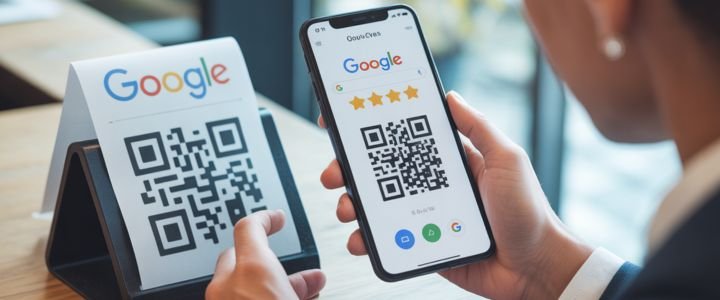
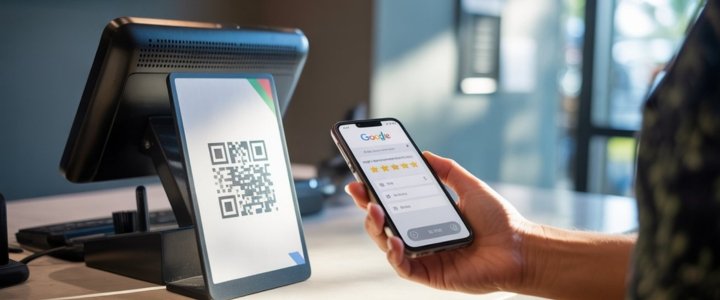
A WiFi QR code encodes your network details into a machine-readable format. When scanned, a device reads the information and connects automatically without requiring the user to type anything manually.
| Step | Description |
|---|---|
| Scan the QR Code | Using camera or QR scanner |
| Read Network Information | Device retrieves SSID, password, encryption type |
| Connect Automatically | Device joins network instantly |
| Secure Connection | No need to verbally share sensitive passwords |
This method reduces errors, speeds up the connection process, and ensures secure sharing of credentials.
How to Create a WiFi QR Code?
Creating a WiFi QR code is simple and can be done using free online generators or mobile apps. You can target clusters like create wifi qr code, generate wifi qr code, and create a wifi qr code.
Steps to create a WiFi QR code:
Open a QR code generator supporting WiFi codes
Choose the WiFi option
Enter your SSID (network name)
Enter your password
Select encryption type (WPA, WPA2, or open)
Click Generate and save the QR code
The QR code can then be printed, displayed digitally, or placed on walls, menus, or welcome boards for easy access. Using dynamic QR codes allows businesses to update network credentials without reprinting the QR code.
Different Types of WiFi QR Codes
WiFi QR codes come in two main types: static and dynamic. Targeting qr code wifi and qr code to connect to wifi, it’s important to understand the difference.
| Type | Description |
|---|---|
| Static | Network info is permanently encoded; cannot change |
| Dynamic | Credentials can be updated; ideal for public networks |
Static codes work best for homes, while dynamic codes are suitable for offices, cafes, and events where network passwords may change frequently. Choosing the right type improves security and convenience.
How to Scan a WiFi QR Code?
Scanning a WiFi QR code is easy on most smartphones and devices. This section targets clusters like wifi qr code scanner.
Steps to scan:
Open your device camera or QR scanner app
Point it at the QR code
Confirm the connection prompt
Device connects automatically
Tips: Ensure proper lighting, maintain a readable code size (at least 2x2 cm), and avoid reflective surfaces. Testing the code on multiple devices ensures reliability.
Security Tips for WiFi QR Codes
While convenient, WiFi QR codes require proper security measures. For qr code for wifi password, it is vital to share the code only in trusted environments. Dynamic QR codes are safer in public because passwords can be updated without reprinting the code. Avoid posting codes online publicly, and always use trusted QR code generators to prevent unauthorized access.
Best Practices for Using WiFi QR Codes
To target qr code wifi password and qr code to connect to wifi clusters effectively, follow these best practices:
| Best Practice | Explanation |
|---|---|
| Visible Placement | Place QR codes where guests can easily scan |
| High Contrast Design | Improves scanning reliability |
| Clear Instructions | Add short notes like “Scan to connect WiFi” |
| Test Multiple Devices | Ensures usability across smartphones and tablets |
| Update Dynamic Codes | Keep network secure for public use |
Businesses can improve guest experience, reduce support requests, and maintain professional connectivity standards.
Common Use Cases for WiFi QR Codes
WiFi QR codes are versatile and suit homes, offices, cafes, restaurants, and events. They simplify network sharing, save time, and improve convenience.
| Use Case | Benefits |
|---|---|
| Offices & Co-working | Quick guest access without asking for passwords |
| Restaurants & Cafes | Enhance customer experience with easy WiFi |
| Events & Conferences | Seamless connectivity for participants |
| Homes | Allow guest access without revealing main password |
Target clusters like wifi to qr code and wifi password qr code are fully addressed in these examples.
Sharing WiFi QR Codes Digitally
WiFi QR codes can also be shared online or digitally, which is great for create wifi qr code and generate wifi qr code clusters. Sending codes via email, messaging apps, or social media allows remote guests to connect without being physically present. This method is ideal for virtual events or remote workplaces.
WiFi QR Codes for Businesses
Businesses can improve customer satisfaction by placing QR codes strategically. Cafes, restaurants, hotels, and offices reduce staff workload and provide instant WiFi access. Dynamic codes even allow analytics to monitor usage patterns, helping businesses optimize connectivity and engagement.
Troubleshooting WiFi QR Code Issues
Even with QR codes, connectivity problems may arise. Small code size, glare, poor contrast, or older devices can prevent scanning. Testing the code, keeping it visible, and updating dynamic QR codes ensures smooth connection. These steps cover clusters like wifi qr code scanner and qr code wifi password.
Conclusion
WiFi QR codes simplify internet connectivity, save time, and enhance user experience. By understanding creation, scanning, security, and best practices, both individuals and businesses can offer instant access to WiFi without sharing long passwords. Implementing this technology is a smart way to modernize connectivity, streamline operations, and improve satisfaction.
FAQs
How do I create a WiFi QR code?
Use an online generator, enter your network name, password, and encryption type, then generate and save your code.
Can I connect multiple devices with a single QR code?
Yes, all compatible devices can scan and connect instantly.
Is it safe to share WiFi via QR code?
Yes, especially if using dynamic codes and secure generators.
How do I scan a WiFi QR code?
Open your camera or QR scanner app and point at the code to connect automatically.
Can I update WiFi credentials in a QR code?
Only dynamic QR codes allow password updates without generating a new code.